
A Neurodiversity affirming approach
Neurodivergent people of all ages can benefit from therapeutic support that is both evidence based and neuro-affirming. Most mainstream therapies and approaches to mental, emotional and neurological health have not actually been tested on Neurodivergent folks – this means they can hurt rather than help us. Many therapies and “early interventions” that have been developed specifically for Neurodivergent people are based on the idea that changing neurodivergent behaviour is the ultimate goal – to create a more Neurotypical presentation. Neither of these options are Neurodiversity affirming – meaning they don’t acknowledge the validity of different neurotypes.
Neurodiversity affirming therapies and supports preserve the dignity of different neurotypes – and seek to foster self knowledge and self advocacy skills, and prioritise consent and client – directed progress rather than the usual practitioner directed or applied techniques. Neurodiversity affirming supports take the impact of environment into account – assisting people to consider strategies for managing living as Neurodivergent in a world where we are a minority. Neurodiversity affirming supports value a person’s choice to decide if and how they might participate in a Neurotypical dominant society, rather than automatically teaching that Neurotypical social culture (for example) is the only “correct” option. Neurodiversity affirming supports acknowledge the trauma associated with being a Neurodivergent minority in society at large as well as in health related contexts and seeks to translate between cultures and systems.
Social Workers have an exceptional foundation for this kind of support. Modern Critical Social Work considers broader contexts and power dynamics that involve the systematic oppression and marginalisation of minorities, and concerns itself with identifying pathways away from the Ableism implicit in the medical / deficits model of Neurodivergent existence.
About Amanda
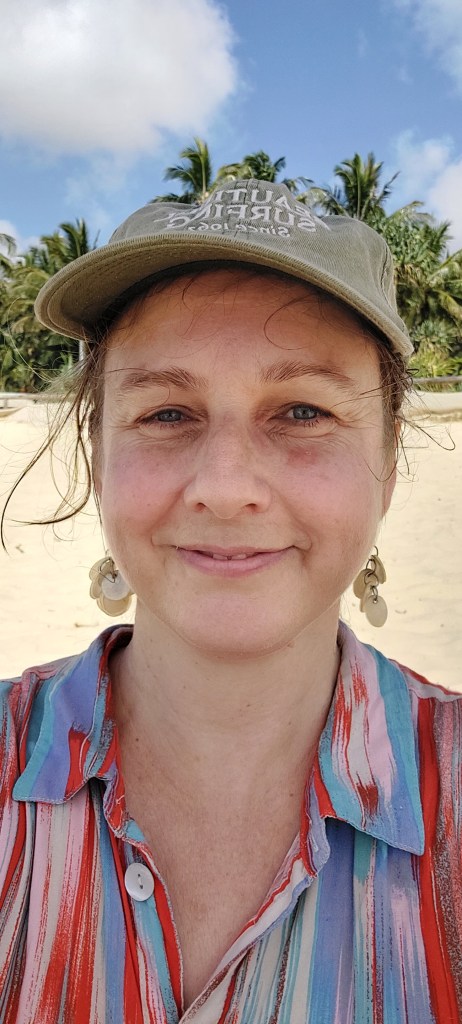
Amanda’s focus as a Social Worker is on supporting individuals and families to embrace Neurodiversity as a natural part of life, to feel pride and power in our different neurotypes, and to strengthen skills in navigating and claiming space in a world where we are not the majority. Her practice weaves together the minority, cultural, social and medical models of disability – translating the space between lived experience and deficits -based systems such as the NDIS.
She understands the journey from both personal and professional perspectives, and has been (and always will be) on her own journey of better understanding her own (early identified/late diagnosed) neurodivergence. She has focussed her practice and research solely on autism and neurodivergence over the last five years.
Amanda also has experience in trauma informed and culturally safe practice in crisis housing and homelessness support, domestic and family violence and family law, the refugee settlement and migrant journey, financial literacy, support for Aboriginal and Torres Strait Islander and Pacifika peoples, community mental health and systems advocacy.
Before this, Amanda worked and played in the arts – in youth arts, in theatre, visual art, puppetry, dance, music, writing, performance and arts business mentoring – as well as organising a few small arts events and festivals along the way. She has developed creative programs for children and families for the State Library of QLD and a wide variety of corporate and community organisations – connecting with people from all walks of life through creativity as a community cultural development worker. She has been an early childhood educator and an inclusion support specialist. She loves supporting individuals and families to create and play. These days Amanda enjoys working with clay as a ceramic artist.
Amanda’s practice framework has foundation in Anti -Oppressive Practice and Critical Social Work. She works from a trauma informed approach and strives for cultural safety – valuing self reflection and positionality in her practice and research. She maintains a client-centred approach, drawing from the philosophies of Reggio Emilia education and child-let therapies by centring collaboration, relationship and the neurodivergent experience in the context of family, community and society.
Amanda does not practice behaviourism (for example rewards, punishments, or ABA) however understands it is still has a significant presence in schooling and therapeutic contexts and is skilled in navigating these tensions and supporting others to do the same.
Research presentations
Research presentation: ASfAR research conference, 2022 Geelong. Parents of Autistic children – What do social work researchers have to say about them in the 21st Century and to what extent do they apply a wholistic critical, anti-oppressive framework to their research? A systematic literature review of peer reviewed published social work research from 2000 – 2021.
Invited speaker: Albury-Woodonga community of practice, 2022. Autism and Trauma from a lived and professional perspective
Qualifications
Grad Cert Creative Therapies – CDU (currently completing)
Masters of Social Work (Qualifying) QUT
BA (Sociology), University of Adelaide
Cert IV TAA
Cert III Children’s Services
Professional Memberships
AASW Accredited member (Insured through AASW membership)
ASfAR (Australasian Society for Autism Research) membership
Recent Training
MIGDAS – 2 Training (Marilyn Monteiro)
Autism Level Up
Autplay therapy (certified)
Evidence Based EFT-tapping level 1 and 2 (certified)
CPS Advanced course – Ross Greene
Low Arousal Approach – Studio III
Explained by Brain FASD / Brain based one day training
Interplay half day play therapy for trauma workshop
Internal Family Systems – IFS Model 6 hours introductory workshop
Functional Capacity Assessments for Social Workers (H-L Therapy)
Neuro Nurture
Amanda Karo, BA/MSW
amanda@neuro-nurture.com.au
0402 148 657
Brisbane, QLD, Australia


Copyright 2023 – Amanda Karo – Neuro Nurture Social Work
 Neuro Nurture